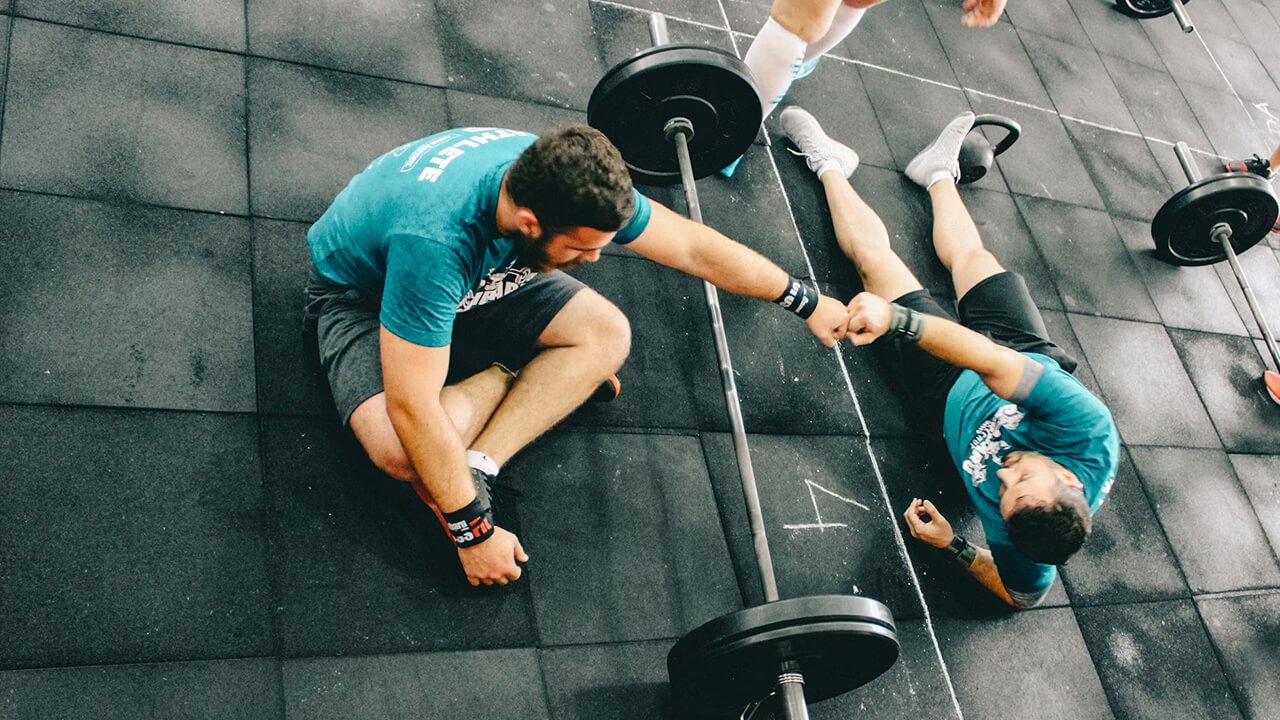

Over time, focusing on setup, bar path, and breathing will sharpen your technique so you lift stronger and safer; maintain a tight, braced core, retract your scapulae, and set leg drive for bench stability, and in rows emphasize a controlled hinge and neutral spine to protect your shoulders from impingement; these precision cues deliver greater strength gains and lower injury risk while making each rep more consistent.
Understanding Proper Form
When benching you must maintain a stable base: keep your feet planted, drive through them, and create a controlled arch so your shoulders stay retracted; set your elbows at roughly 45° to the torso to reduce shoulder strain. Focus on a consistent bar path over the mid-chest and a tight brace; progressive programs like The Ultimate Bench Press Workout Plan for Strength and … show how technique tweaks add pounds safely.
The Importance of Technique
Technique determines how efficiently you convert effort into bar speed and load: by tucking elbows to ≈45°, pinching your scapulae, and using leg drive you transfer force better-often yielding a 5-10% increase in peak pressing power. Train with controlled tempos and 2.5-5 lb microprogressions to ingrain motor patterns so your strength gains are sustainable and less injury-prone.
Common Mistakes to Avoid
You must avoid common faults: flaring elbows to 90°, letting hips rise, feet floating, bouncing the bar, and lax scapular positioning. These errors spike shoulder and lumbar load and erode consistent progress; instead prioritize a tight setup, steady descent, and a mid-chest touch point to keep stress on muscle and off joints.
Corrective actions are specific: set feet under your knees and drive to create leg tension, actively retract and depress your scapulae so the bar meets the mid-chest, keep elbows near 45°, implement a brief pause to prevent bounce, and film heavy sets to spot asymmetry; adjust grip by 1-2 cm and use 2.5-5 lb jumps to improve technique without overshooting capacity.
How to Enhance Bench Press Form
You should lock scapulae in a 15-30° retraction, maintain a 5-10° elbow tuck, and drive through your heels to create consistent leg drive; use a controlled 3-count descent with a 0-1s pause at the chest and practice sets of 5 at ~70% 1RM to groove position. For structured progressions consult Best Bench Workout Routines: The Ultimate Guide …
Key Factors for Stability
You must create a stable base: press feet into the floor with full heel and mid-foot contact, maintain a modest arch to shorten ROM by ~1-2 inches, and pre-tense the entire chain by squeezing shoulder blades and gripping the bar hard; perform three ramped warm-up sets to sync tension across joints. Recognizing how leg drive, scapular position, and total body tension interact will reduce bar path drift and shoulder stress.
- Leg drive: push through heels and mid-foot to transfer force
- Scapular position: set 15-30° retraction and slight depression
- Tightness: full-body bracing before unracking
Tips for Improving Grip and Setup
Set your grip so forearms are vertical at the bottom-typically 1.25-1.5× shoulder width or index finger on the rings-with a wrapped thumb and neutral wrist to avoid extension; cue a ~45° knuckle angle and test with 3×5 at 60% 1RM to confirm comfort. Perceiving subtle wrist collapse or uneven pressure early lets you adjust before loading heavy.
- Grip width: ~1.25-1.5× shoulder width
- Wrist position: neutral, knuckles ~45° to align elbow
- Thumb wrap: full grip for safety and tension
Build specific habits: spend 2-3 minutes on wrist mobility, do 20 band pull-aparts for scapular rhythm, and groove setup with 5-8 paused reps using an empty (20 kg) bar before adding load; aim for three consistent setups in a row before increasing weight. Perceiving small setup adjustments between sets helps you lock in a safer, stronger press.
- Wrist mobility: 2-3 minutes pre-session
- Scapular rhythm: 20 band pull-aparts to reinforce retraction
- Loaded practice: paused reps with empty bar to groove mechanics
How to Enhance Row Form
Keep your torso hinge at roughly 30-45° for barbell rows and 45-60° for chest-supported rows to bias the lats while protecting the lower back; brace your core and drive the elbows back to the hips, squeezing the scapulae for 1-2 seconds at peak contraction. Use sets of 6-12 reps with controlled 2-3s eccentrics to build tension, and prioritize a neutral head and spine to avoid lumbar shear or a rounded upper back.
Key Factors for Effective Engagement
Grip width, elbow path, and scapular mechanics determine which muscles dominate: a slightly wider-than-shoulder grip favors the upper back, while elbows close to the torso emphasize the lats; keep the torso stable and avoid torso rotation greater than 5-10° between reps. Aim for a full scapular retraction of about 1-2 inches and a pause at peak contraction to improve motor control. Any loss of scapular control shifts load to the spine and reduces lat activation.
- Grip – outside vs. neutral
- Scapula – retraction and depression
- Elbow path – tucked vs. flared
- Tempo – 2-3s eccentric, 1s squeeze
Tips for Maintaining Proper Posture
Set your spine in a neutral line, hinge at the hips, and engage your glutes and core brace to limit lumbar flexion; keep the chin tucked to maintain cervical alignment and use chest-supported variations if you feel persistent lumbar strain. Cue yourself with touch points-feet, hips, sternum-to maintain repeatable setup and avoid >10° pelvic tilt during reps. Knowing how small deviations magnify shear and reduce force transfer helps you choose lighter loads to preserve technique.
- Neutral spine – no rounded upper back
- Hip hinge – shoulders over hips
- Core – brace before each rep
- Head – neutral, not hyperextended
For more depth, perform movement checks: film sets from the side at 60 fps to spot pelvic tilt or thoracic rounding, and use a 1-2 rep tempo test with an empty bar to rehearse positions; athletes who correct setup often increase bar speed by 0.1-0.2 m/s while reducing compensatory lumbar motion. Implement progressive overload via volume before load if posture breaks under heavier weight. Knowing that consistent setup practice reduces injury risk and improves targeted muscle stimulus should guide your week-to-week programming.
- Video feedback – 60 fps side view
- Tempo drills – empty bar rehearsals
- Progression – volume then load
- Assessment – 1-2 week posture checks
Progressive Overload: A Strategy for Improvement
Use small, measurable changes-like adding 2.5-5 lb (1-2.5 kg) to the bar for bench and row every 1-2 workouts or increasing weekly volume by 5-10%. Aim for strength ranges (3-6 reps, 3-6 sets) and hypertrophy ranges (6-12 reps, 3-5 sets), monitor RPE around 7-9, and schedule a deload every 3-6 weeks to consolidate gains while protecting technique.
How to Integrate Progressive Overload
Start by testing a reliable baseline (e.g., 5RM or RPE-based top set). Then cycle microloading, rep increases, tempo slowing, or frequency bumps-if your 5RM bench is 185 lb, try adding 2.5-5 lb next session or target +1-2 reps across sets before upping weight. Track sessions in a log, use microplates if available, and stop increases when form breakdown increases injury risk.
Setting Realistic Goals
Set specific targets like +5-10% bench strength over 12 weeks or adding 5-10 lb per month for newer lifters; advanced trainees should expect smaller monthly gains (about 1-2% per month). Use measurable checkpoints (weekly top-set records, volume totals) so you can adjust load, volume, or recovery when progress stalls.
Measure progress with weekly volume (sets × reps × weight) and simple benchmarks: if you bench 200×5, plan incremental steps-add 2.5 lb every other session or add one rep across sets for two weeks, then increase weight. Schedule RPE-based autoregulation and test a true 1RM or 3-5RM every 8-12 weeks; combine that with planned deloads and you’ll convert small, consistent overload into lasting strength without abrupt spikes.
Accessory Exercises for Strengthening
You should program 2-4 targeted accessories per session that address weak links: horizontal push, horizontal pull, scapular control, and rotator cuff work. Use 3-5 sets with 3-6 reps for strength lifts and 8-15 reps for hypertrophy accessories, apply a 2s eccentric when possible, and track progressive overload. Emphasize scapular stability and neutral spine to maximize transfer and minimize injury risk.
Recommended Accessories for Bench Press
Prioritize close-grip bench, paused bench, floor press, and weighted dips to improve lockout and triceps strength; add banded bench and 2-3 sets of 8-12 cable flyes for pec development. Use 3-5 sets of 3-6 reps for heavy variants and 3-4 sets of 8-12 for assistance. Keep controlled eccentrics and avoid excessive width that increases AC joint shear.
Recommended Accessories for Rows
Include barbell rows, chest-supported rows, single-arm dumbbell rows, seated cable rows, and face pulls to develop lats and mid-traps; perform 3-5 sets of 5-10 reps for heavy rows and 3-4 sets of 12-15 for face pulls and rear-delt work. Focus on full scapular retraction and avoid torso collapse to protect the lumbar region; braced core is vital.
In practice, rotate heavy barbell or Pendlay rows twice weekly (3-5 sets of 4-6 reps) and pair with chest-supported rows or single-arm rows for 3-4 sets of 8-12 reps to correct imbalances. Add 3-4 sets of 12-15 face pulls or YTWLs for external rotation strength; cue “elbows back, chest up” and stop any set where your low back rounds more than 20° to prevent overload.
Recovery and Mobility
Importance of Recovery in Training
Prioritize sleep 7-9 hours, aim for protein 1.6-2.2 g/kg daily, and space heavy bench/row sessions by 48-72 hours to allow neuromuscular recovery. Use active recovery (10-20 minutes light bike, banded scapular work) to boost blood flow and 5-10 minutes of foam rolling to reduce soreness. Monitor RPE and soreness trends-an RPE jump of 2+ across sessions signals volume reduction or a deload week every 4-8 weeks. Avoid training through sharp shoulder pain.
Mobility Exercises for Better Form
Use thoracic extensions on a foam roller (3×10), banded shoulder distractions (2x60s per side), scapular wall slides (3×12), doorway pec stretches (3x30s), and lacrosse-ball lat releases (2x90s) to improve T‑spine extension and scapular motion, which directly refines your bench bar path and row retraction. Perform dynamic versions pre-session and longer holds post-session for tissue lengthening. Avoid aggressive forced end-range motions if you have pain.
Progress mobility by frequency and complexity: start with daily 5-10 minute dynamic work before sessions and 2-3 focused 10-15 minute sessions weekly, then add loaded thoracic extensions or band-resisted rotator cuff drills as you gain control. Use regressions (banded dislocations, wall slides) before advancing; if you feel persistent joint sharpness or instability, reduce range and consult a clinician-pushing through instability is dangerous.
To wrap up
From above, you refine bench press and row form by prioritizing bracing and scapular control, maintaining a consistent bar path, and using leg and hip drive for stability; apply deliberate tempo, progressive overload, and mobility work to close weak links in your technique, use precise cues (tight chest, retracted shoulders, steady breath) and record sessions to iterate safely and efficiently toward stronger, more reliable lifts.
FAQ
Q: How should I set up my body for a stable bench press and an efficient bar path?
A: Start by creating a solid base: feet planted under or slightly behind the knees, drive heels into the floor to generate leg drive. Retract and depress the scapulae so the shoulder blades form a tight platform; maintain that upper-back tightness throughout the rep. Grip the bar so the wrist is stacked over the forearm, with the bar tracking over the mid-chest at the bottom and finishing over the shoulders – a slightly diagonal bar path (toward lower chest on the descent) is normal. Maintain a moderate arch in the thoracic spine without lifting hips off the bench. Tuck elbows to roughly 30-45 degrees from the torso to protect the shoulders and improve pressing leverage. Breathe big and brace the core: inhale and hold a full breath into the abdomen before the descent, maintain intra-abdominal pressure through the drive, then exhale after lockout.
Q: What are the most common form faults for bench and rows and how do I correct them?
A: Common bench faults: flared elbows (risking shoulder strain) – cue elbow tuck and push through the elbows; collapsing wrists – use wrist stacking and a firm grip; bouncing the bar off the chest – use controlled eccentrics and paused reps; hips lifting – reduce load and focus on leg-drive timing. Common row faults: rounded spine and hips rising – hinge at the hips, chest up, brace the core; pulling with arms only and not retracting scapula – initiate with scapular retraction and think “elbow back”; using momentum – slow the eccentric and use strict tempo. Corrections include reducing load to practice mechanics, using paused and tempo variations, implementing chest-supported rows or single-arm rows to isolate technique, and adding mobility drills (thoracic extension, lat lengthening) if limited range causes compensations.
Q: Which drills, accessory exercises, and programming strategies most effectively increase stability and precision?
A: Use technique-focused repetitions (3-5 sets of 3-6 at 50-75% 1RM) to ingrain bar path and body tension, plus heavier singles/doubles with pauses (85-95% 1RM) to practice tightness under load. Drills and accessories: paused bench presses, close-grip and incline presses for triceps and shoulder control; banded bench or chain-accommodated work to train bar path through the full range; face pulls, band pull-aparts, and prone Y/Ts for scapular strength; chest-supported rows, single-arm dumbbell rows, and seated cable rows for balanced horizontal pulling; anti-extension core work (planks, dead bugs) and loaded carries for whole-body bracing. Track progress with video recordings of bar path and scapular position, log cues that improve stability, and cycle intensity with planned deloads. Prioritize consistent, high-quality reps over chasing load increases when refining precision.