Unlocking Performance Potential: The Contrast Training Paradigm
Harnessing the power of contrast training can drive remarkable improvements in your athletic performance. By alternating between heavy resistance exercises and explosive movements, this training method enhances strength, speed, and overall athleticism. Research shows that athletes who engage in contrast training often experience gains in vertical jump height and sprint times, proving its effectiveness. For instance, a study noted that athletes increased their squat strength by an average of 15% while simultaneously improving their explosive power. To dive deeper into the specifics of this training method, check out The Benefits of Contrast Training.
Key Takeaways:
- Contrast training combines high-intensity exercises with lower-intensity movements to enhance strength, speed, and power, optimizing overall athletic performance.
- This training method can lead to improved neuromuscular efficiency, promoting faster response times and better coordination in athletes.
- Incorporating both strength and speed elements into workouts can aid in increased muscle recruitment and a more holistic approach to athletic development.
The Science of Contrast Training: Mechanisms Behind the Magic
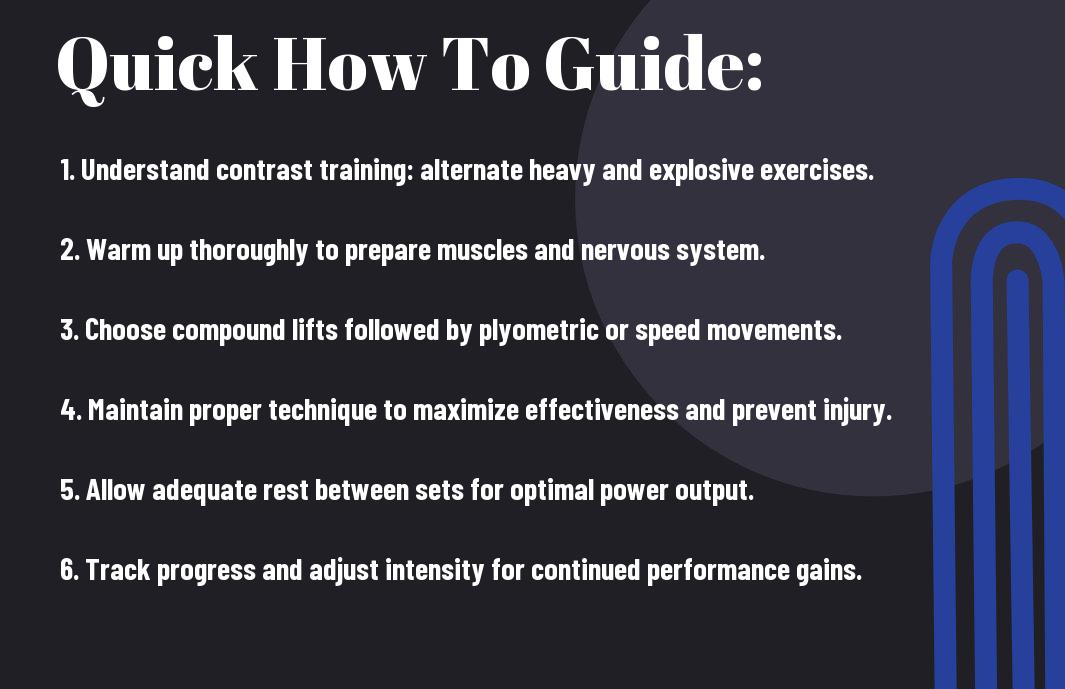
Delving into the science, contrast training operates through several key mechanisms that enhance physical performance. The primary principle involves the acute effects of high-intensity exercises followed by lower-intensity movements, which leads to improved force production and power output. This method stimulates muscle hypertrophy and neural adaptations, effectively training the body to respond to varying loads and demands. By alternating between contrasting activities, you not only harness immediate strength gains but also set the stage for long-term performance improvements.
Neuromuscular Adaptations: Engaging the Entire System
When you engage in contrast training, neuromuscular adaptations occur, activating not just individual muscle fibers but also enhancing overall neural coordination and recruitment. This comprehensive engagement forces your body to optimize its responses, improving your ability to generate force quickly and efficiently. As you progress, these adaptations contribute to faster reaction times and increased explosiveness, giving you a competitive edge.
Psychological Benefits: Elevating Mental Fortitude
Contrast training also plays a significant role in enhancing your mental resilience. By pushing through challenging high-intensity phases followed by active recovery, you cultivate a mindset that embraces discomfort. This shift not only translates to improved physical performance but also reinforces your confidence, determination, and ability to cope with challenges both in and out of the gym.
The psychological benefits extend beyond simple endurance; they have been linked to enhanced focus and concentration during training sessions. Engaging with high-intensity work demands mental commitment and often tests your limits. As a result, you develop a stronger mental framework that enables you to approach other life challenges with the same vigor and tenacity. I’ve experienced firsthand how overcoming the mental barriers in training can lead to breakthroughs in self-confidence, giving me the tools to tackle obstacles beyond my fitness regime.
Crafting a Contrast Training Regimen: Essential Elements
Designing a successful contrast training program requires a thoughtful approach to various components, including exercise selection, structuring workouts, and establishing timing and frequency. I recommend considering a mix of both unilateral and bilateral exercises to ensure balanced development. Incorporating strategies like French Contrast Training and the Rotational Athlete can enhance explosive power while engaging the intricacies of rotational movement, increasing your overall efficiency in performance.
Structuring Workouts: The Right Balance of Intensity
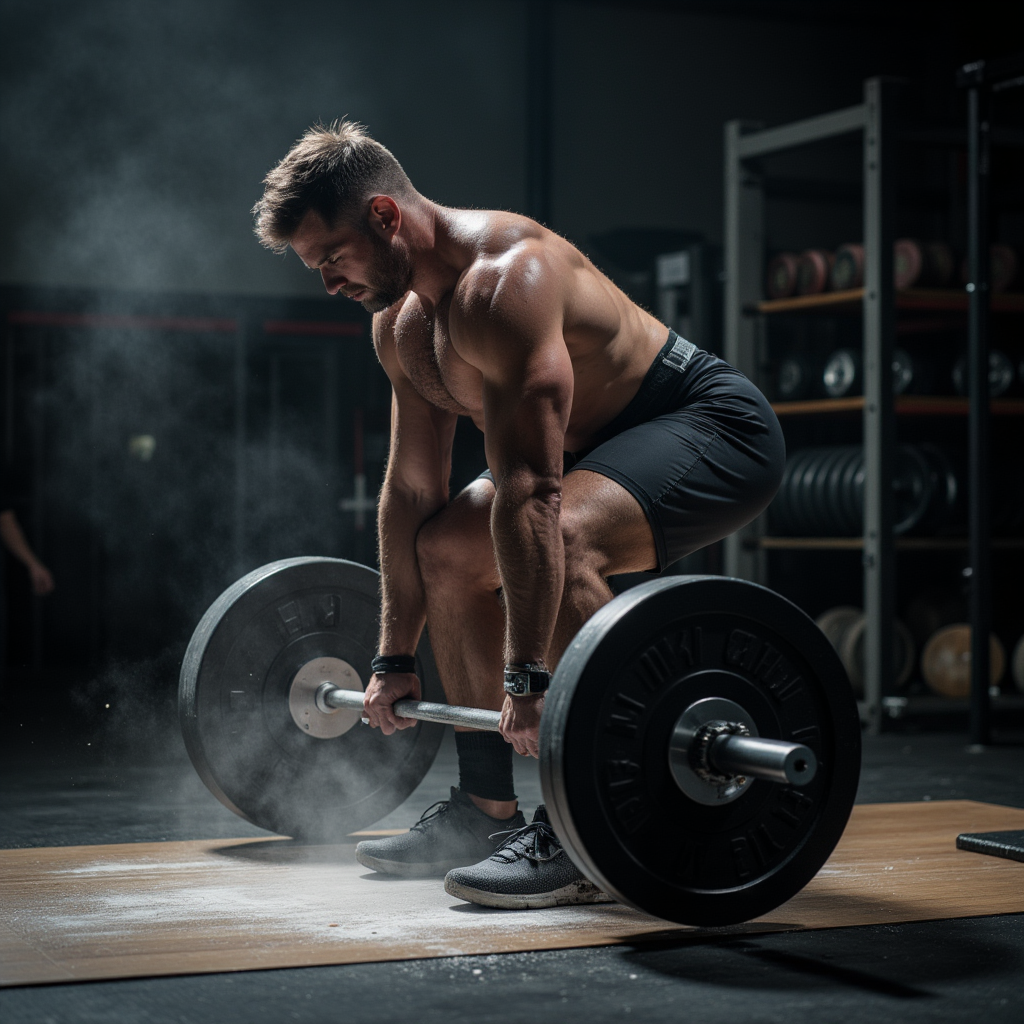
Finding the right intensity balance is necessary for maximizing the benefits of contrast training. I typically recommend a pairing of high-intensity exercises (e.g., heavy squats or deadlifts) followed by explosive movements (like jump squats) that utilize the same muscle groups. This ensures I capitalize on the post-activation potentiation effect, leading to enhanced muscular performance during subsequent explosive efforts.
Timing and Frequency: Maximizing Adaptation and Recovery
Optimal timing and frequency are vital for enhancing your adaptation while allowing for necessary recovery. I suggest implementing contrast training workouts 2-3 times per week, allowing at least 48 hours between sessions targeting the same muscle groups. This balance ensures your muscles recover adequately, avoiding overtraining while still challenging them for improvement.
Paying attention to your body’s signals is key during this process. If you notice decreased performance or increased soreness, it might be an indication that your timing between sessions needs adjustment. Listening to your body helps in fine-tuning your regimen, preventing injuries and ensuring effective progression towards your performance goals. Incorporating deload weeks after intensive cycles can be beneficial, allowing time for complete recovery and adaptation before ramping up intensity again.
Real-World Applications: Industries That Benefit from Contrast Training
Contrast training isn’t just for elite athletes; it’s applicable across various industries that prioritize performance and efficiency. From professional sports to military training and physical therapy, this methodology enhances capabilities in different contexts. Incorporating contrast training can optimize results, leading to improvements in strength, speed, and power. If you want to dive deeper into the specifics, Use Contrast Training To Build Explosive Size, Speed and … and discover how your industry can reap these benefits.
Sports Performance: Enhancing Athletic Capability
In sports, contrast training enhances athletic capability through a method of pairing heavy lifts with explosive movements. Such training routines not only build muscle strength but also promote neuromuscular efficiency, leading to improved sprinting, jumping, and overall agility on the field or court. Many athletes report a significant uptick in their performance metrics, allowing them to realize their full potential.
Rehabilitation: Accelerating Recovery and Strengthening
Contrast training plays a pivotal role in rehabilitation by accelerating recovery and enhancing muscular strength. By integrating both high-resistance and high-velocity movements, individuals recovering from injuries can strengthen their muscles without the risks associated with traditional lifting. This approach minimizes atrophy while ensuring the movement patterns are functional and safe.
Research has shown contrast training to be particularly beneficial for those recovering from ACL injuries or surgery. By alternating between heavy resistance exercises and lighter, faster movements, you can effectively stimulate muscle growth while preserving joint integrity. This not only speeds up the recovery timeline but also aids in restoring confidence and mobility post-injury, ultimately getting you back to your pre-injury performance levels efficiently. You’ll find that integrating this regimen into your recovery can make a substantial difference in your rehabilitation experience.
Beyond the Gym: Integrating Contrast Training into Daily Life
Integrating contrast training into your daily life can yield benefits that extend far beyond the gym. By incorporating this potent training method into various aspects of your routine, you can bolster mental clarity, boost physical capabilities, and enhance your overall quality of life. Whether at work or engaging in everyday tasks, there are numerous opportunities to implement the principles of contrast training, optimizing your performance to achieve exceptional results.
Workplace Productivity: Boosting Focus and Efficiency
Contrast training principles can significantly enhance workplace productivity by promoting mental agility alongside physical well-being. I’ve found that alternating between periods of intense focus on a task and brief breaks for light movement revitalizes my concentration. Studies have shown that such shifts in activity can rejuvenate cognitive processes, leading to increased creativity and efficiency. Consider standing up to do a few stretches or a set of light exercises during breaks to harness this effect.
Everyday Activities: Enhancing Functional Strength
Everyday activities offer a unique context for applying contrast training principles, enhancing functional strength that translates seamlessly into your daily life. I’ve noticed that by integrating high-intensity movements, like sprinting up stairs, with controlled, low-intensity actions, such as walking back down, I build resilience and strength for routine tasks. This approach empowers you to navigate challenging activities like lifting, carrying, or even playing with children with greater ease, strength, and efficiency.
Enhancing functional strength through contrast training positions you to tackle daily challenges effectively and safely. Implementing this method can mean pairing strenuous efforts, like lifting heavy groceries, with lighter, more controlled movements during rest periods. For instance, doing a quick set of bodyweight squats before and after your shopping trip not only prepares your muscles for the task but also allows for recovery during your routine. This dual-pronged approach creates a balance that keeps your body resilient, enabling you to perform activities with less fatigue and greater power.
Potential Pitfalls: Avoiding Common Missteps
While contrast training offers significant benefits, there are potential pitfalls to navigate. Mismanagement of intensity, insufficient recovery, or neglecting technique can lead to suboptimal results or even injuries. Understanding how to implement contrast training effectively is imperative for maximizing your performance while avoiding common pitfalls encountered by many athletes and fitness enthusiasts.
Overtraining: Recognizing the Signs and Strategies for Prevention
Overtraining manifests through symptoms such as persistent fatigue, decreased performance, and mood swings. If you’re feeling unusually sore or find motivation waning, your body may be signaling that it’s time to step back. Incorporating scheduled rest days and focusing on recovery techniques like foam rolling or light aerobic activities can help maintain your training balance and performance level.
Balancing Technique and Intensity: The Key to Progress
Finding the right mix between technique and intensity is vital for progress in contrast training. Striking this balance enables you to reap the benefits of both strength and power without compromising form. Aim for a solid foundation in your technique before ramping up intensity, which allows your body to adapt to loads and movements safely. Documenting your workouts can help identify patterns where intensity overshadowed technique, guiding adjustments for future sessions.
To achieve optimal results, prioritize mastering your technique during the initial phases of training. Gradually increasing intensity allows your body to adapt physiologically and neurologically, preventing injury while maximally engaging your muscle fibers. Remember that improper form can not only diminish your gains but also lead to setbacks due to injury. Setting specific benchmarks for your technique, such as aiming for consistent movement patterns or a specific rep cadence, serves as a solid reference point before upping the intensity. By keeping a keen eye on this balance, you align your training not just for performance but also for sustainable progress.
Final Thoughts: The Future of Human Performance Through Contrast Training
Exploring the landscape of human performance, contrast training emerges as a transformative approach with the potential to redefine athletic success. I’ve seen firsthand how elite athletes achieve remarkable results by integrating these methods into their training regimens. For instance, a study showed that athletes who engaged in contrast training improved their sprint times by up to 10% within just six weeks. As we continue to unravel the complexities of muscle adaptation and neuromuscular efficiency, the future promises advancements in personalized contrast training protocols. This evolution will likely enhance recovery, increase performance metrics, and push the boundaries of what is possible for human achievement.